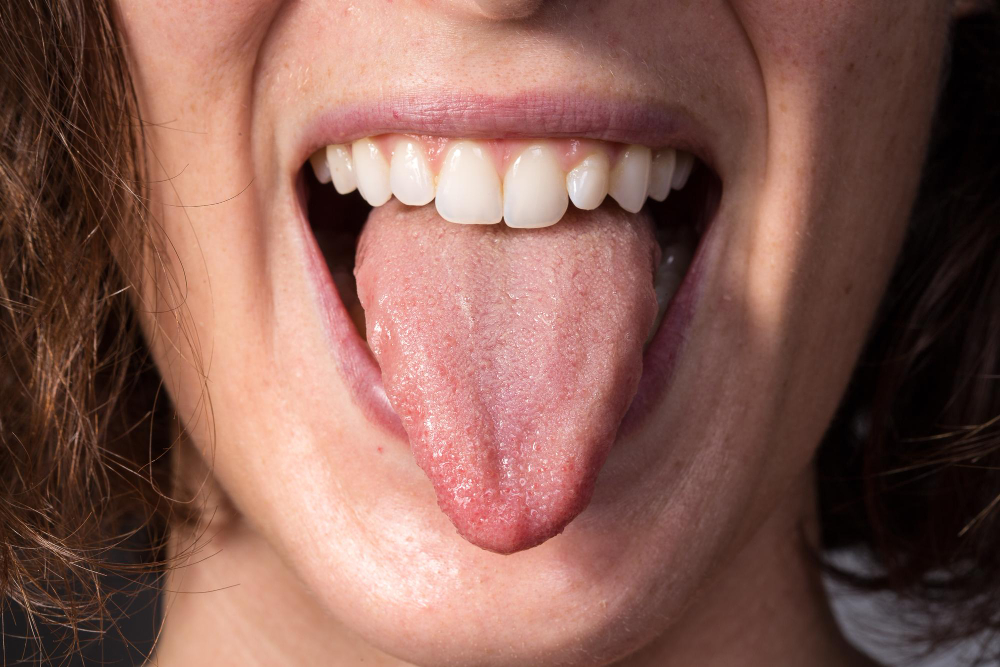
What Is It?
Sjögren’s Disease is an autoimmune disease in which the immune system attacks lacrimal and salivary glands, leading to dryness of the eyes and mouth. It may occur alone (primary) or along with other autoimmune diseases like rheumatoid arthritis or lupus (secondary).
Who Gets It & Why
Sjogren disease usually occurs in 40 to 60 years of age, predominantly in the females (male to female ratio 10:1). Exact cause is not known but it is due to a combination of genetics, with environmental and hormonal factors.
Common Symptoms
- Dryness of mouth, symptoms may be in the form of
- Dry eyes: burning, grittiness, itching and or/redness
- Fatigue, mild fever, muscle pain and/or generalized weakness
- Joint pain and swelling
- Parotid gland pain and swelling
- Skin rash
- In few patients it involves lungs, kidneys and other organs also get involved.
How It’s Diagnosed
- Doctor’s clinical evaluation for typical signs and symptoms
- Blood tests – ANA (Antinuclear antibody), ANA profile
- Minor salivary gland biopsy- small tissue biopsy from lower lip
- Imaging or biopsy depending on organ involvement
Treatment Options
Treatment for the dry mouth and dry eyes involve both medicine and non-medicinal measures. Medicines used in the treatment are to increase the flow of saliva and tears. For other manifestations like joint pain, rash, parotid swelling, low platelet or hemoglobin, numbness of limbs, drugs like methotrexate, azathioprine, hydroxychloroquine, rituximab and IVIG are used. For dry eyes lubricating eye drops and gels are used usually in collaboration with an ophthalmologist.
Lifestyle
- Frequent sips of water to keep mouth wet, rinse mouth after every feed and avoid keeping sugary items in the mouth.
- Proper dental hygiene.
- Avoiding direct air blow on the eyes, keeping room humidified
Monitoring
- Periodic blood tests and doctor follow-up
- Never start or stop medicines without medical advice.
Pregnancy and Breastfeeding
Pregnancy with Sjogren’s disease requires special precautions. Maternal antibodies cross placenta and can cause inflammation in the developing babies heart tissue, leading to reduced fetal heart rate. This usually happens between 16 to 26 weeks of pregnancy so patients with Sjogren’s disease require a special type of USG called fetal echo starting at week 16 then every week to monitor developing baby’s heart rate. Early detection of developing heart block is essential to prevent permanent damage to the heart tissue and heart block. Some babies born to mother with Sjogren’s disease have transient rash that disappears in 2-4 weeks.
Self-Care & Daily Tips
- Take medicines regularly
- Stay active with joint-friendly exercises
- Take frequent sips of water Maintain healthy weight
- Keep up with vaccinations
- Avoid self-medicating or over-the-counter steroids
Outlook
With early diagnosis and proper treatment, most people lead normal, active lives.
When to Contact Your Doctor
- Sudden joint swelling, breathlessness, rash, or high fever, parotid gland swelling, numbness of hand or feet, sudden weakness or loss of muscle power
- New side effects from medications