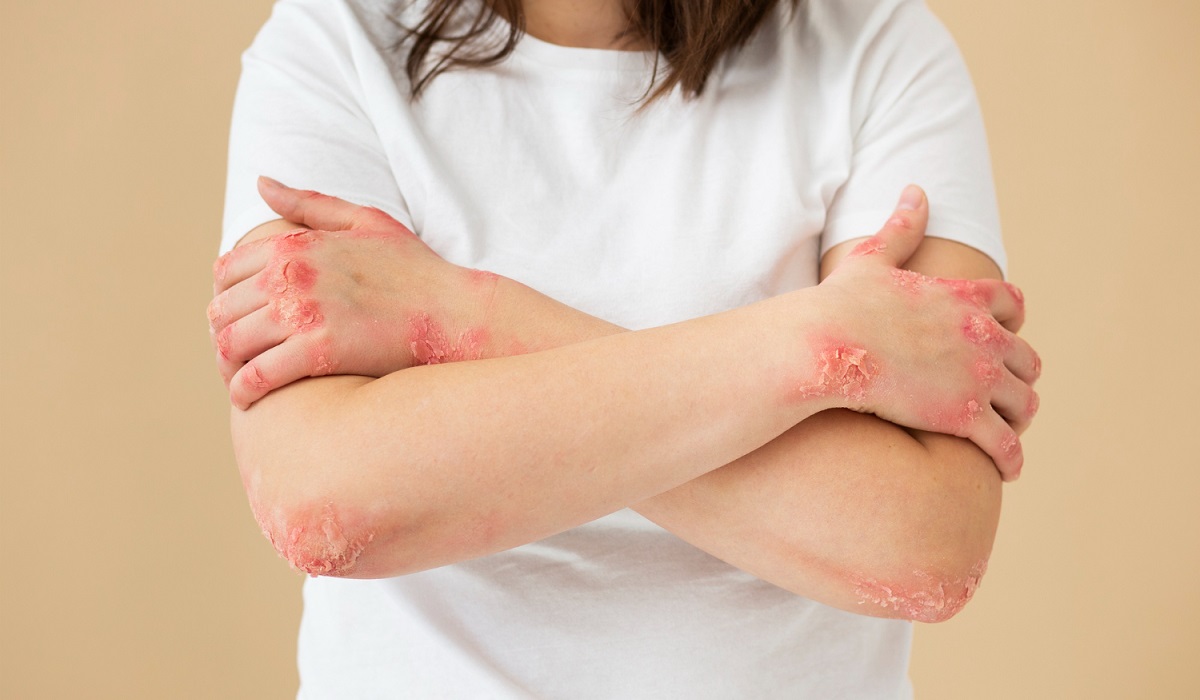
What Is It?
Systemic Lupus Erythematosus (SLE) is an autoimmune disease in which the immune system mistakenly attacks own healthy tissues, leading to inflammation in multiple organs including the skin, joints, oral cavity and other mucus membranes, kidneys, and blood cells.
Who Gets It & Why
• SLE most often affects women between 15–45 years of age, with male to female ratio of 1:9.
• Exact reason why it happens is not entirely clear but genetic and environmental factors (sunlight, infections, certain medications) can trigger the disease.
• Hormonal influences and family history also play a role.
Common Symptoms
- Pain and stiffness in joints
- Rash, particularly over face and other sun exposed parts of the body but can also happen on non-exposed parts of the body.
- Fatigue, mild fever, muscle pain and or weakness
- Pedal and/or periorbital edema
How It’s Diagnosed
- Doctor’s clinical evaluation for typical signs and symptoms
- Blood tests – ANA (Antinuclear antibody), anti-dsDNA, complement levels (C3, C4), ESR, and CRP
- Urine tests for protein or blood
- Imaging or biopsy if other organ involvement is suspected
Treatment Options
Treatment depends upon severity, and which organs are affected. Medications used in the treatment of lupus includes hydroxychloroquine, steroids, methotrexate, mycophenolate, azathioprine, rituximab and other immunosuppressants. Some patients may have less aggressive disease and can be managed by less potent medication while other patients may have aggressive disease and may need aggressive treatment.
Lifestyle
- Avoid prolonged sun exposure and use sunscreen lotion whenever going out (SPF ≥ 30). Preferable to wear full sleeve clothes and cover head with cap and scarf.
- Regular gentle exercise.
- Balanced diet and stress management.
Monitoring
- Periodic blood tests and doctor follow-up
- Never start or stop medicines without medical advice.
Pregnancy planning
As lupus predominantly affects women of childbearing age pregnancy planning becomes an important part of the disease management. Few things are noteworthy before planning a pregnancy, disease should be well controlled; medications should be switched to the ones that are compatible with pregnancy and breastfeeding. There are certain tests that need to be done before conception, and patients require more frequent monitoring than usual pregnancy care. With meticulous care and monitoring, most lupus patients can have a healthy child.
Outlook
With appropriate treatment and regular monitoring, most people with lupus can live a near-normal lifespan.
When to Contact Your Doctor
- Sudden joint swelling, breathlessness, rash, seizure or high fever
- New side effects from medications